
Black smoke after a diesel remap almost always points to too much fuel being pushed in without the airflow, boost and timing settings to match. A generic, off-the-shelf tune loaded onto every vehicle regardless of its condition is the usual cause, not remapping itself. A proper health check before any tuning starts is how a workshop tells the difference between a bad map and a genuine mechanical fault.
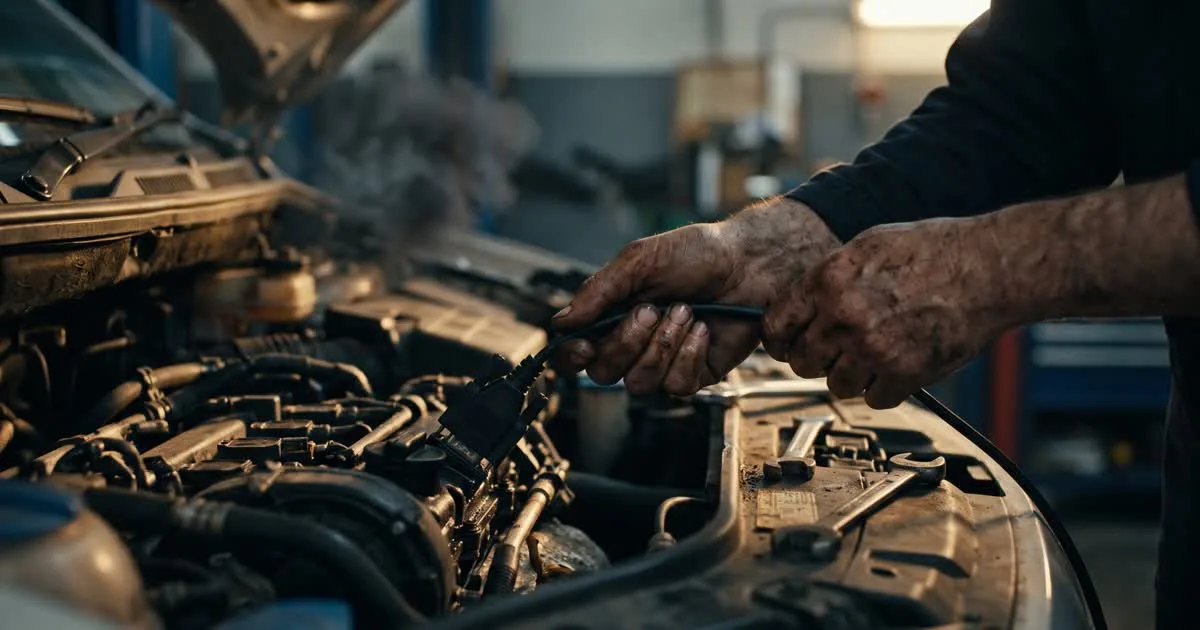
A VW T4 2.5 TDI came into PP Tuning recently because its owner had become concerned about the amount of black smoke it was producing after being remapped elsewhere. It wasn’t just a little puff when pulling hard either. The back of the van was getting covered in soot.
A health check soon gave us a better idea of what was going on. The van was running a generic tune with far too much fuel being added.
And that’s worth talking about, because more fuel doesn’t automatically mean better tuning.
What was happening with this VW T4?
Diesel engines need fuel and air in the right proportions. Add more fuel and, within reason, you can make more power. But the engine still needs enough air to burn that fuel cleanly.
Push the fuelling too far and some of it simply isn’t burned efficiently. One of the things you can end up with is black smoke.
That’s what had happened with this T4.
The owner hadn’t brought the van in asking PP Tuning to chase another big horsepower figure. He’d brought it in because something clearly didn’t seem right after the previous remap.
That’s the difference between chasing numbers and chasing what the van actually needed.
A remap should make the vehicle better to drive. More useful torque, better response and improved driveability are normally far more noticeable day to day than whatever number appears on a dyno printout.
Covering the back doors in soot isn’t much of an upgrade.
A remap is more than adding fuel
There are plenty of settings involved in engine calibration, and they all work together.
Fuelling is part of it, of course. Depending on the engine, there can also be boost control, torque requests, injection timing, smoke limitation and various protection strategies involved.
Changing one thing without considering everything around it can create problems.
That’s why PP Tuning uses Pendle Performance calibration instead of loading the same generic file onto every vehicle and sending it down the road.
The vehicle is checked first. Diagnostics and data logging help establish how it’s running and whether there are existing problems that need dealing with before tuning starts.
That makes a real difference with older vans such as the T4.
They’re now decades old. Two seemingly identical T4s can behave very differently depending on mileage, servicing, injectors, turbo condition, previous modifications and what somebody may already have done to the ECU.
The badge on the back might be the same, but there’s no guarantee the condition underneath it is.
Does black smoke always mean a bad remap?
No.
It’s tempting to look at a smoky diesel and immediately blame the mapping, but there can be other causes. Problems with injectors, airflow, boost, pipework and other engine components can all contribute to excessive smoke.
That’s one reason the health check comes first.
In the case of this particular T4, PP Tuning found the existing generic calibration was supplying excessive fuel. That gave the team something specific to work from, instead of just guessing from what was coming out of the exhaust.
If your van has started smoking after being mapped, get it checked. Don’t just assume that’s simply what a tuned diesel does.
It isn’t.
Power figures don’t tell you whether a remap is good
It’s easy to concentrate on horsepower and torque figures.
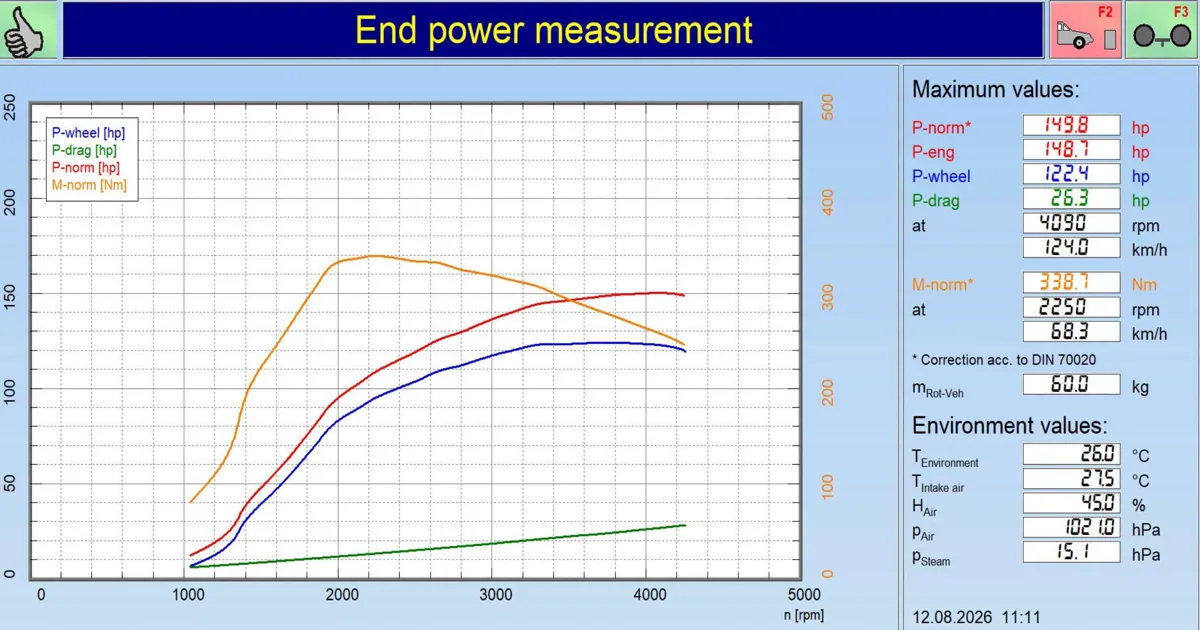
They’re useful. Customers understandably want to know what difference the work has made.
But a dyno number doesn’t tell you everything about how the vehicle will behave when you actually drive it.
A van can produce a headline figure and still have poor throttle response, an unpleasant torque delivery or excessive smoke. The useful question is how the whole vehicle behaves afterwards.
One PP Tuning customer summed that up rather nicely after running his T5.1 for a year following a remap:
“Been running my T5.1 all year on Jason’s remap and its been unreal the difference in power and fuel i have owned the van since new wish i would of had it 13 years ago”
That’s the sort of feedback that tells you rather more than a graph does.
He’s owned the van from new, so he knows how it drove before. And this isn’t somebody commenting immediately after collecting it while the difference still feels new. He’s lived with the remap for a year.
That longer-term experience counts for quite a lot.
What if your van has already been remapped?
PP Tuning sees plenty of vehicles that have already been tuned somewhere else.
Some customers know exactly what’s been done, others have bought the vehicle second-hand without a clue what’s sitting in the ECU.
If something doesn’t seem right, that doesn’t necessarily mean the van needs another remap straight away.
It needs checking.
Diagnostics, logging and testing can show what’s actually happening before anybody starts changing software again.
That’s exactly why this T4 came in for a PP Tuning Health Check.
It’ll be returning to the workshop so the existing calibration can be dealt with and the van can be set up right using a custom Pendle Performance remap developed and tested around the vehicle itself.
Concerned about a remap already on your vehicle?
If you’ve bought a previously remapped car or van, or you’ve had yours mapped elsewhere and you’re not happy with how it’s behaving, PP Tuning can take a look at what’s going on.
Excessive smoke, strange power delivery or a vehicle that simply doesn’t drive as well as you expected shouldn’t automatically be accepted as part of having a remap.
Get in touch with PP Tuning in Louth and tell the team what’s happening. They can check the vehicle, look at the data and work out what it actually needs before making changes.
Smoke Signals: Diesel Remap Questions Worth Asking
Should a remapped diesel produce more smoke than before?
A well done remap shouldn’t leave you with noticeably more smoke. If your diesel is smoking more after being mapped, that usually means too much fuel has been added without the rest of the engine’s settings being adjusted to match.
What causes black smoke after a diesel remap?
Black smoke happens when fuel isn’t fully burned during combustion, usually because too much has been added for the amount of air available. Generic remaps that ignore boost, injection timing and other engine strategies are a common cause, though injector or airflow problems can play a part too.
What’s the difference between a generic remap and a custom remap?
A generic remap loads the same file onto every vehicle of that model, regardless of its individual condition. A custom remap, like the Pendle Performance calibrations PP Tuning uses, is developed and tested around the specific vehicle after diagnostics and data logging.
Can PP Tuning check a remap that was done somewhere else?
Yes, PP Tuning regularly checks vehicles that have already been mapped elsewhere, whether the customer knows exactly what’s been done or bought the vehicle second-hand with no idea what’s in the ECU. Diagnostics and testing show what’s actually happening before any changes are made.
Does more power from a remap always mean more smoke?
No, more power and more smoke aren’t the same thing. A properly calibrated remap balances fuel against air, boost and timing so the engine makes useful power without pushing through more fuel than it can burn cleanly.


